

6 Anxiety Coping Strategies: What Actually Helps
(by a counselling psychologist in Mumbai)
If you’re reading this, there’s a good chance anxiety has been feeling a little too loud in your life right now.
Maybe it shows up as constant overthinking, a racing heart, trouble sleeping, or that restless feeling you can’t quite explain?
Or maybe inside you feel like you’re juggling too many tabs in your mind that never fully close, and just are always “ON”?
So many people in today’s day and age experience the symptoms quietly and try to cope with it in the best way they know how. And by the time they reach out, they’re fully worn out and exhausted.
Hi, thank you for being here. I’m Hartika, a counselling psychologist based in Mumbai. In this blog, I’m sharing practical, research-backed anxiety coping strategies that genuinely help adults in their 20s–40s who are overwhelmed with anxiety.
Why Anxiety Feels So Hard to Manage
Anxiety isn’t just “worrying too much.” It’s your nervous system going into overprotection mode where it’s doing it’s best to keep you safe and alive.
For most adults, anxiety becomes overwhelming when:
- You’ve been coping alone for too long
- You don’t have emotional vocabulary to name what’s happening
- You learned to “push through” rather than slow down
- You feel responsible for everything and everyone
- You don’t know how to turn off and manage overthinking
None of this is a fault or an error.
Your brain is doing what it believes keeps you safe, maybe just a little too aggressively.
The good news?
There are ways to understand and manage it.
Effective Anxiety Coping Strategies (That Actually Calm the Nervous System)
Below are grounding tools I teach my therapy clients which are practical, doable, and backed by research.
When Anxiety Signs Mean You May Need Professional Support
Therapy can help if you notice:
- You overthink until you’re exhausted
- You keep scrolling until you stop feeling/thinking
- Your body feels tense most of the day
- You find it hard to relax, even when things are “fine”
- You avoid situations due to fear or discomfort
- You feel easily overwhelmed or irritable
- You’ve been coping alone for too long
- Your relationships feel affected
- You can’t rest without guilt
You deserve help long before things become “unmanageable.” You can also explore our FAQs to learn more about some concerns people have when starting therapy & our blog what happens in the first therapy session to soothe your curiosity and make an informed decision before starting.
You Don’t Have to Do This Alone
If you’re tired of carrying all this weight in your head, therapy offers a space to:
- Process what’s overwhelming
- Understand your triggers
- Build emotional skills
- Calm your nervous system
- Break and challenge patterns that keep the anxiety loop on
- Feel more in control of your life
If you’ve tried coping strategies but still feel stuck in overthinking, emotional overwhelm, or constant tension, it doesn’t mean you’re doing something wrong.
Many adults I work with understand their anxiety intellectually. They’ve read, researched, and tried to manage it on their own. What changes in therapy isn’t effort. It’s having a space where anxiety doesn’t need to be controlled, minimized, or handled alone. It’s about understanding what’s happening in your mind and body, and figuring out what kind of support would actually be of help to you.
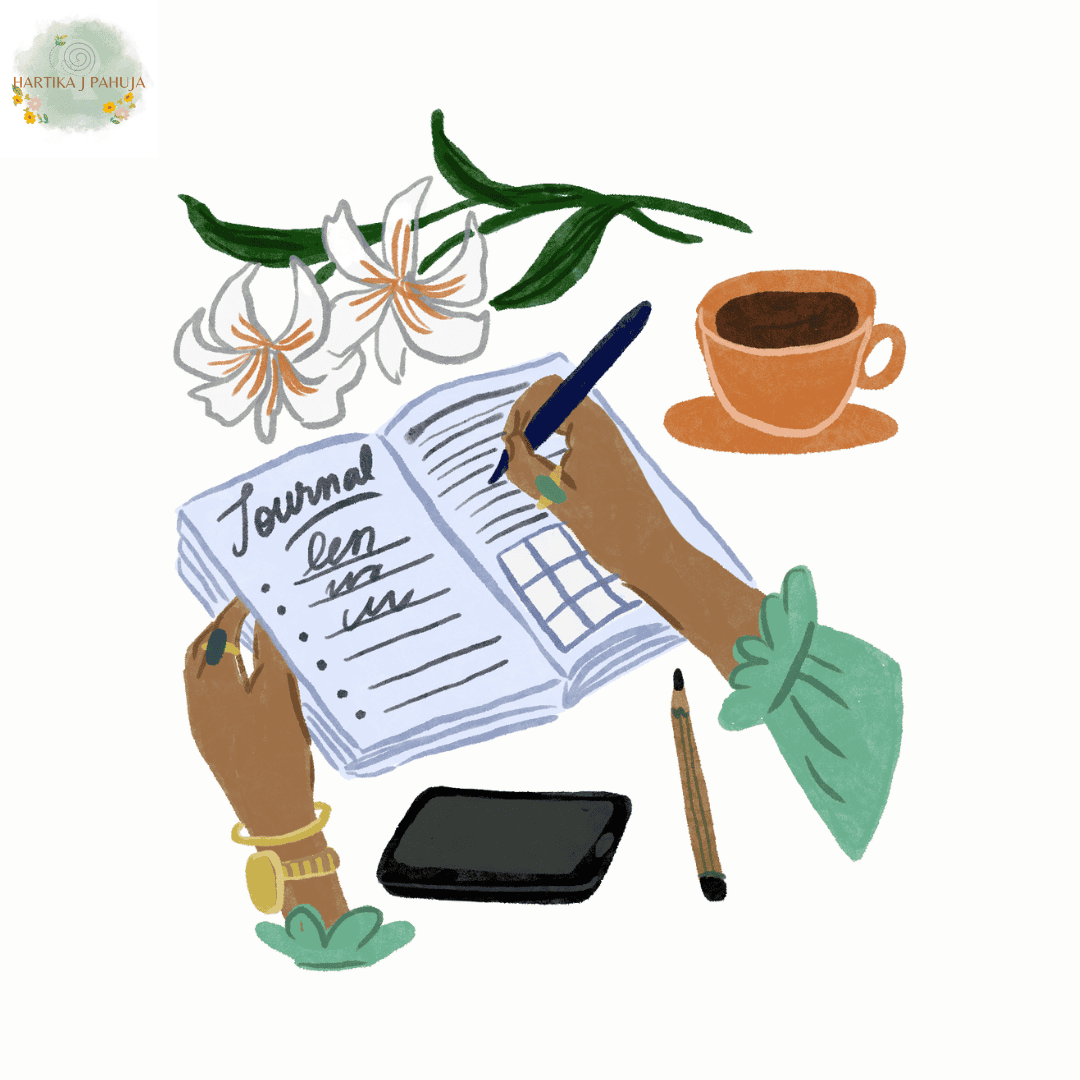
Self-Reflection Prompts
Use these to deepen your awareness:
- What does my anxiety usually try to protect me from?
- Which part of my day feels the most activating?
- What physical sensations tell me my anxiety is rising?
- What is one thing I need more of when I’m overwhelmed?
- What would support look like for me right now?
Therapy in Mumbai or Online
I offer both online therapy and in-person sessions in Mumbai for adults navigating:
- Anxiety & Overthinking
- Self-Esteem Issues
- Emotional Regulation
- Low Mood
- Relationship Struggles
Wondering what happens in the first therapy session, then click here to learn more.